9/24/26 Tufts Together Reflection
Wednesday, September, 23rd, 2026 Religious and Philosophical Life
Stone Soup
Elyse Nelson Winger
University Chaplain
It started with a sack of red peppers and plum tomatoes from a local farm. Roasted with onions and garlic, simmered in stock and spices then pureed ‘til smooth, it filled dark blue bowls with red maple leaf-hued goodness. A splash of balsamic vinegar and conversation with friends made the meal. The next morning, I inhaled the savory, sweet smells of sautéing beef and fennel, adding barley and broth, carrots and mushrooms. I stirred, and my mind wandered to curried butternut squash…french lentils…clams and cream. Then I realized: it’s mid-September! It’s soup season.
Now, I know there are soups for all seasons, summer gazpachos and winter stews. But there’s nothing quite like New England’s autumn harvest and the aromatic warmth soup brings to twilight’s emerging chill. Even better, soup can be made from most anything. It stretches and keeps. It’s easy to share. You can even start with a stone. Perhaps you know the story?
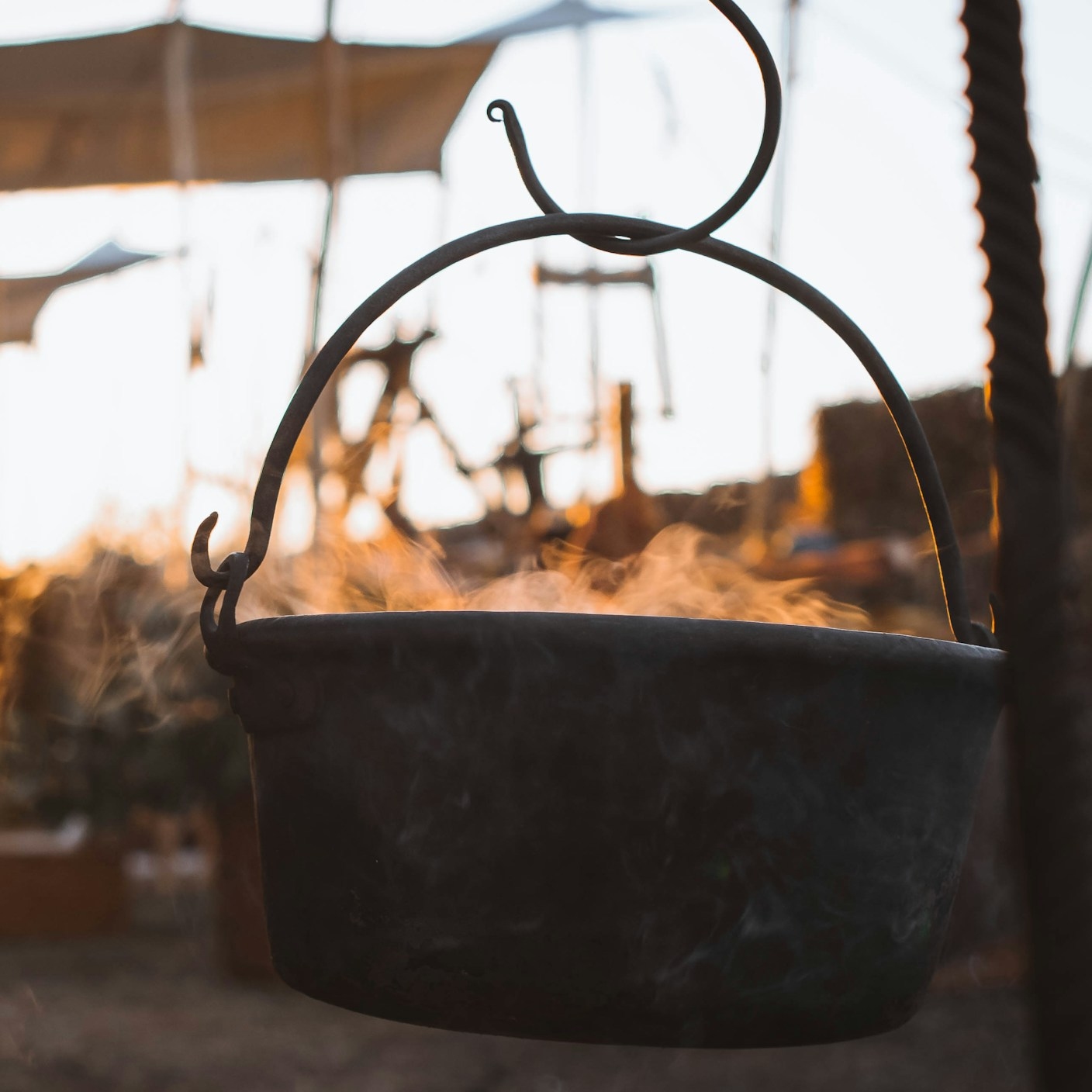
Stone Soup is a story that crosses cultures, referenced variously as a traditional French, Swedish or Portuguese folktale, set in a quaint European hamlet or a high Chinese mountain village, starring monks or soldiers or otherwise weary travelers encountering wary, stony townsfolk. The travelers come upon a new place. They go house to house, seeking food, perhaps a place to rest. Each time, they are curtly dismissed. Townsfolk lie and hide their food. They close their windows, lock their doors. And so the travelers pronounce a plan: they will make stone soup. They collect firewood, rustle up a pot. They fill it with water and drop in a few smooth stones. And then they dream, conversing with one another just loudly enough for anyone to hear: wouldn’t this stone soup be delicious with just a carrot or two? And usually, it’s a child who breaks the townsfolk’s stonewalling, bringing that carrot. And others, curious about this enticing soup, bring their own once-concealed offerings: potatoes and onions, then meat and milk, finally vegetables and spices of every kind. Community tables are set with dishes and pitchers of additional food and drink, and feasting and dancing ensues. A community, once suspicious of one another and certainly of strangers, is renewed, even healed, by the ingenuity of their unexpected guests and their own hidden capacity for generosity.
I remember the Stone Soup of my childhood, the Caldecott Honor Medal sticker affixed to its front cover. With my children, I read Jon Muth’s version, each page a gorgeous watercolor. Go to YouTube and you’ll see videos of these and other versions being read aloud. Enter the title in JumboSearch and you’ll find contemporary compositions for voice or chamber ensemble (and a long list of articles and books invoking the folktale as inspiration for best practices in education, business, social work, and scientific research). There’s reason for this!
Stone Soup is a deeply human story. It taps into the trauma of war or the crumbling of civic ties. It names our fear of scarcity or our suspicions about strangers. It describes what happens when communities become isolated and stuck. But it also speaks to our ability to change. Sparked by courage, often from the margins, and then a bit of wonder, we discover the power of sharing whatever we have for the good of the whole. This tale celebrates the diversity of gifts each of us has to offer to whatever tables we are setting and communities we are building, including the ones we are always co-creating together at Tufts.
Since July, students, faculty and staff have been building new and renewed communities of learning and friendship across our schools and campuses. In labs, clinics, classrooms and fields, there are imaginative and caring people tending pots, stirring stones of wisdom and knowledge, inviting others, no matter how unsure or even scared, to bring their questions and insights to the many creative acts of understanding, constructing and repairing our campuses need. Indeed, the ones who’ve brought the stones cannot continue to change, grow and discover without the gifts of each student, every colleague who comes upon their pot.
It’s soup season. I hope this autumn brings you many bowls of warmth and the flavors you love, eaten around tables with people whom you enjoy. And I hope that the menu will also include your own special, community concoctions of stone soup.